Hello! My name is José Canelas. I am a Senior Mobile Telecommunications Technician with several years of experience with multiple vendors. Self-motivated and hard-working with the ability to make good, sound decisions and judgment calls. Always providing friendly and professional customer service. I possess strong organizational, time management and multi-tasking abilities. I work also as a Computer Science Professor at the Polytechnique Institute of Setúbal, where I teach the Mobile Device Applications Development courses.
AREAS

Special Skills
RAN Engineering
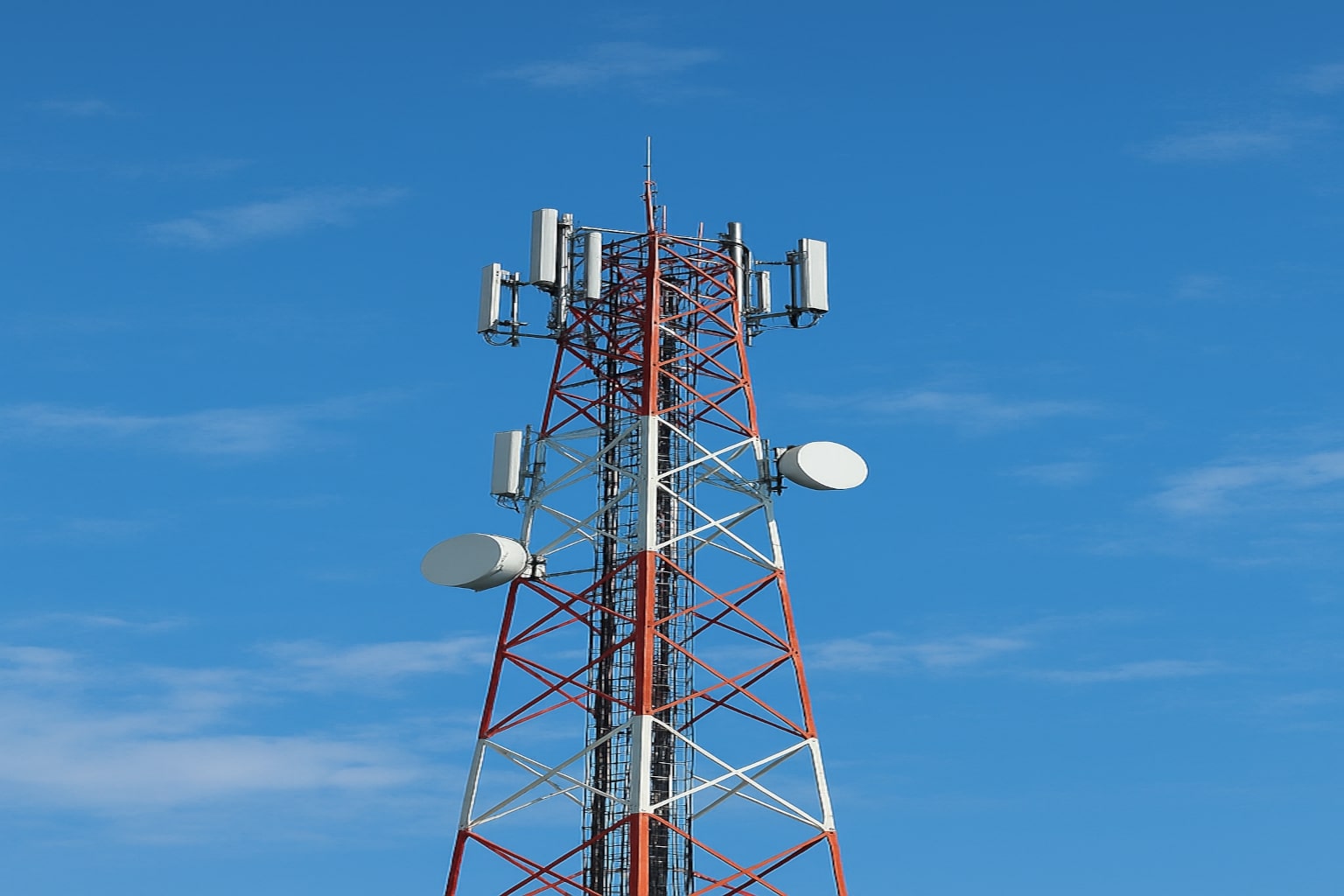
A RAN (Radio Access Network) Engineer is responsible for the design, implementation, optimization, and maintenance of mobile network infrastructures that connect end-user devices to the core network. Their work involves configuring and troubleshooting base stations (2G/3G/4G/5G), ensuring network performance, coverage, and capacity meet operator requirements. RAN Engineers analyze KPIs, conduct drive tests, resolve interference issues, and optimize parameters to enhance quality of service and user experience. They collaborate with core, transmission, and planning teams to deliver reliable and high-performing mobile connectivity.
Software Development
A Software Developer is responsible for designing, coding, testing, and maintaining software applications to meet user and business requirements. They work with programming languages, frameworks, and development tools to create scalable, secure, and efficient software solutions. Software developers collaborate with cross-functional teams—including product managers, designers, and QA engineers—to deliver high-quality applications, troubleshoot issues, and continuously improve performance. They may also participate in code reviews, documentation, and implementing best practices for software architecture and development processes.
IoT Architecture
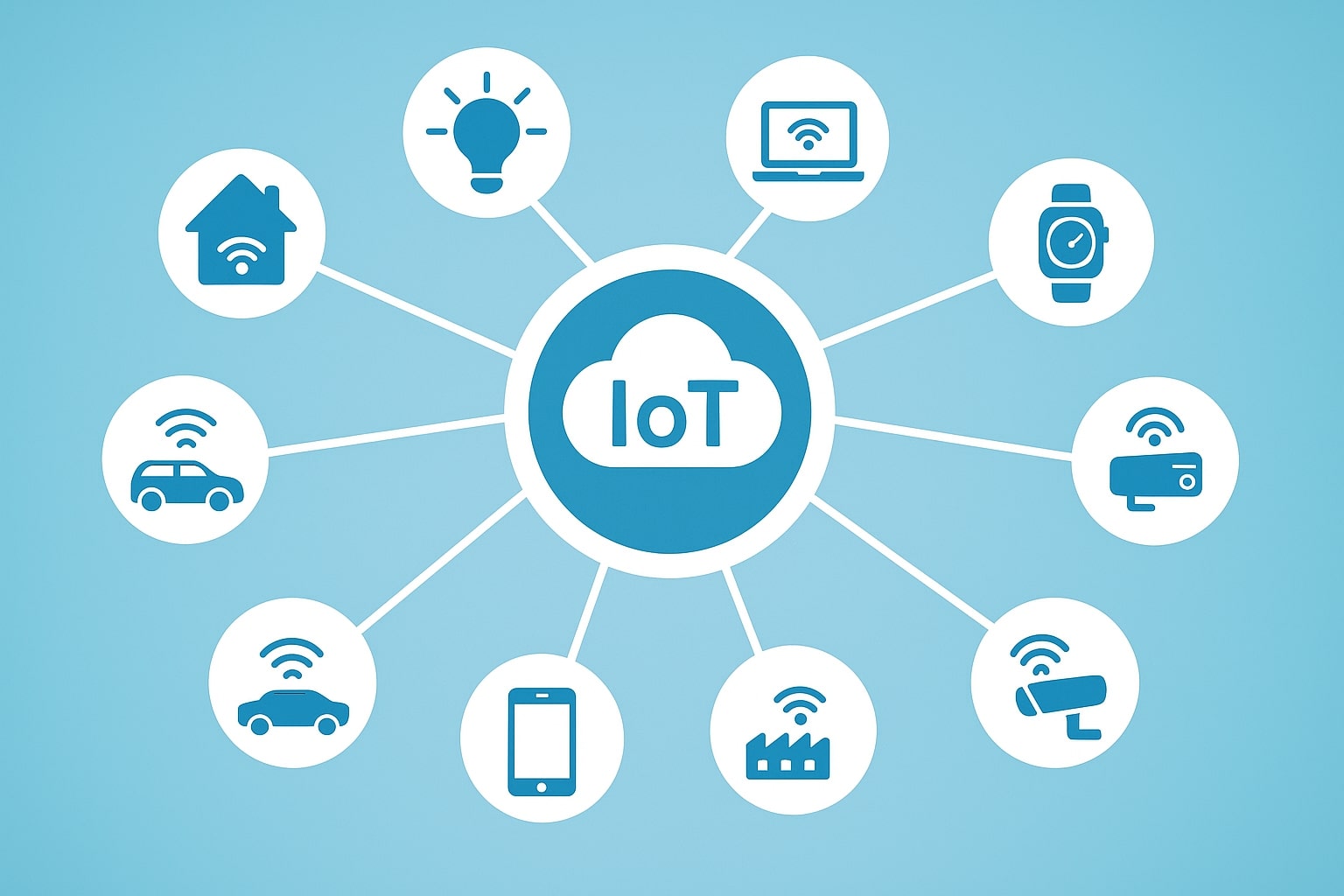
IoT Architecture defines the structural design of Internet of Things systems, connecting devices, sensors, networks, and applications to collect, process, and exchange data. It typically includes edge devices (sensors and actuators), network layers (communication protocols like MQTT, CoAP, or HTTP), data processing and storage (cloud or on-premises servers), and application layers (user interfaces, analytics, and dashboards). A well-designed IoT architecture ensures scalability, security, reliability, and interoperability, enabling real-time monitoring, automation, and intelligent decision-making across industries.